A fascinating journey through archaeology, mining history, and maritime traditions, revealing the stories that have shaped Milos through the centuries.
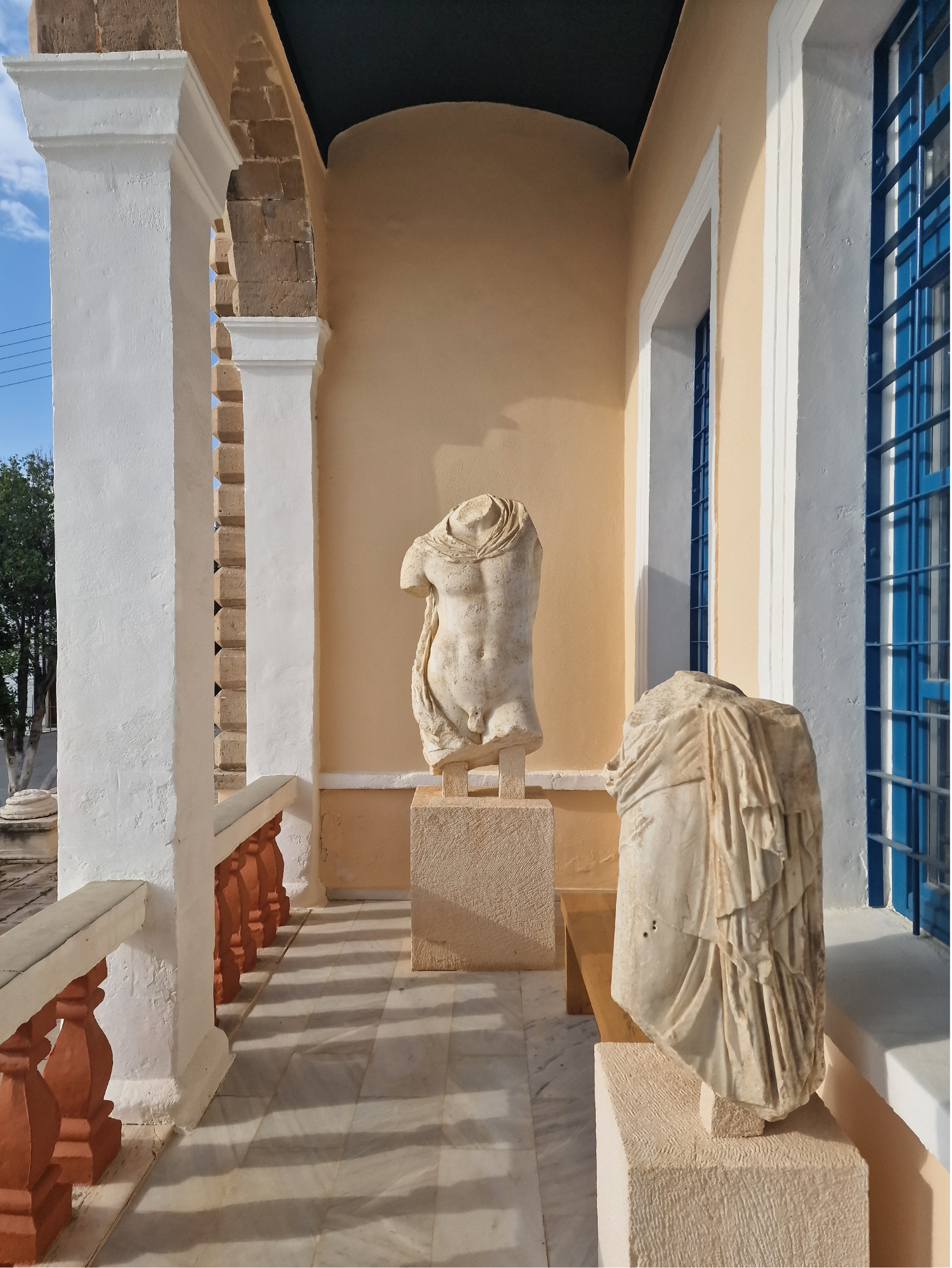
Step back in time and explore the island's rich ancient heritage through a remarkable collection of sculptures, pottery, and archaeological treasures. The museum's highlight is a replica of the famed Aphrodite of Milos, one of the most celebrated sculptures of the ancient world, discovered nearby in 1820 and now housed in the Louvre. Together with finds from Phylakopi and other archaeological sites, the exhibits reveal a history that spans millennia.
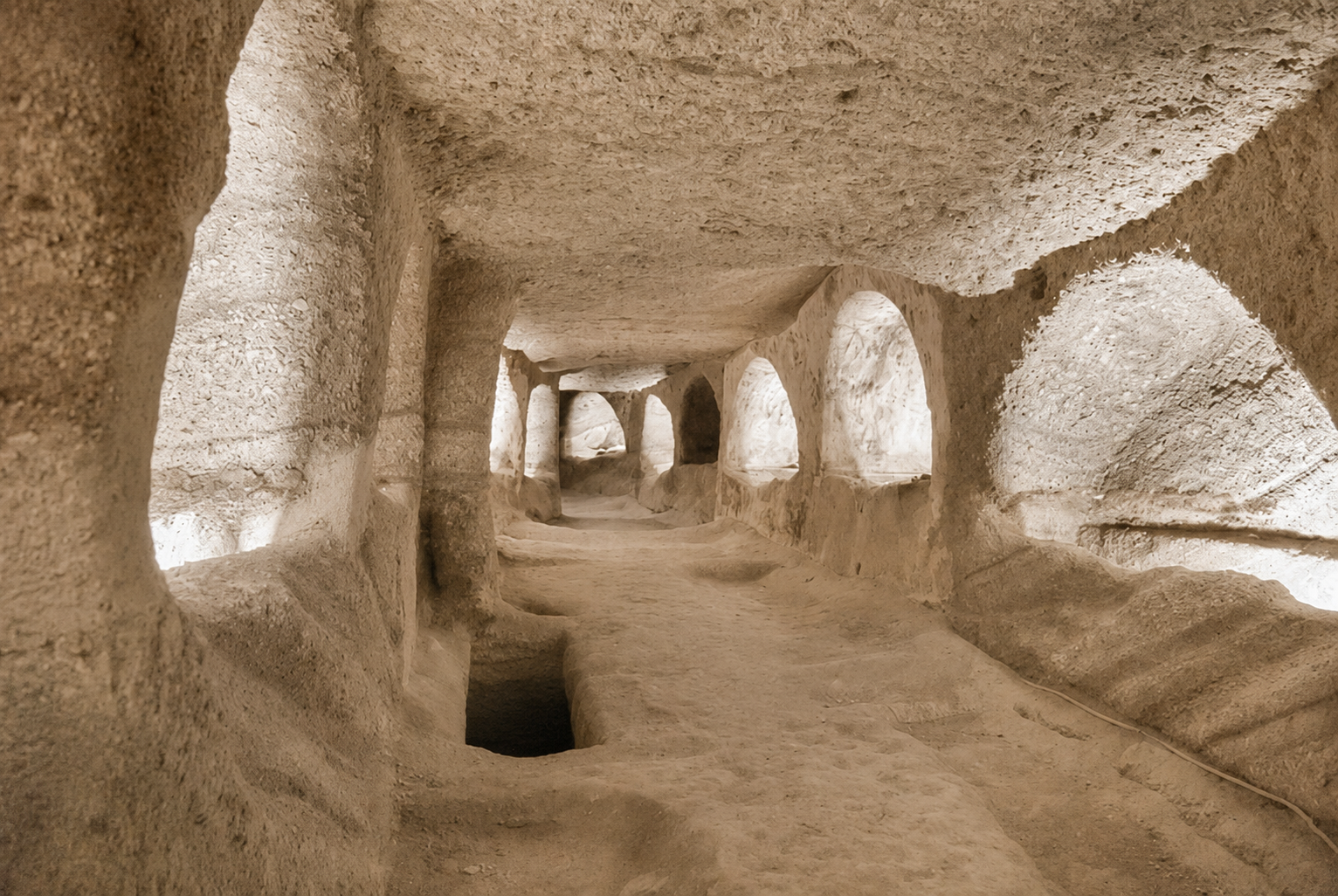
Among the most important early Christian monuments in Greece, the Catacombs date from the 1st to the 5th century AD. This underground network of burial chambers and passageways offers a remarkable glimpse into the lives and traditions of the island's early Christian community.
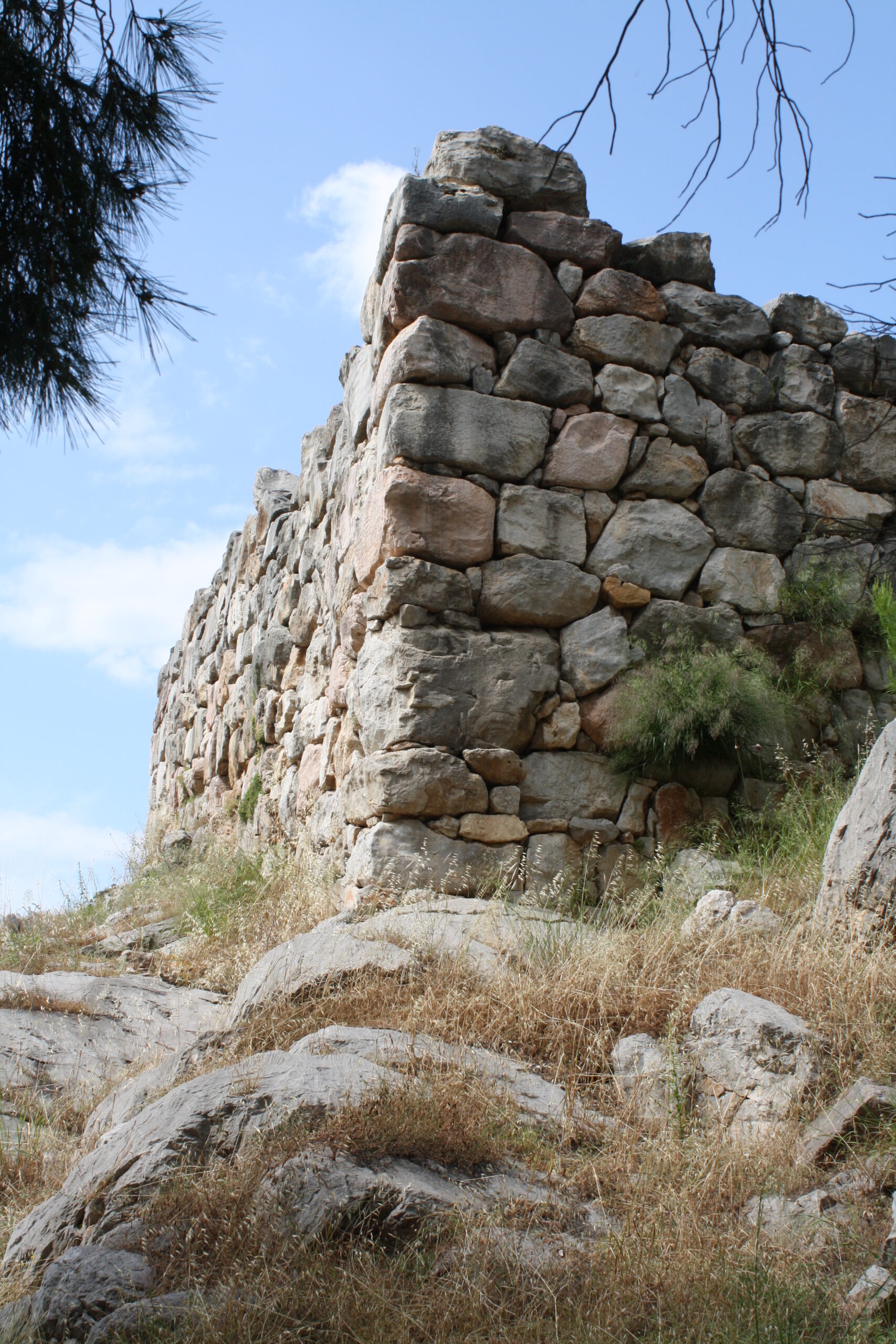
One of the most significant prehistoric settlements in the Aegean, Phylakopi flourished during the Bronze Age and played an important role in the Cycladic world. Today, its archaeological remains provide a window into a civilization that thrived here more than 3,000 years ago.
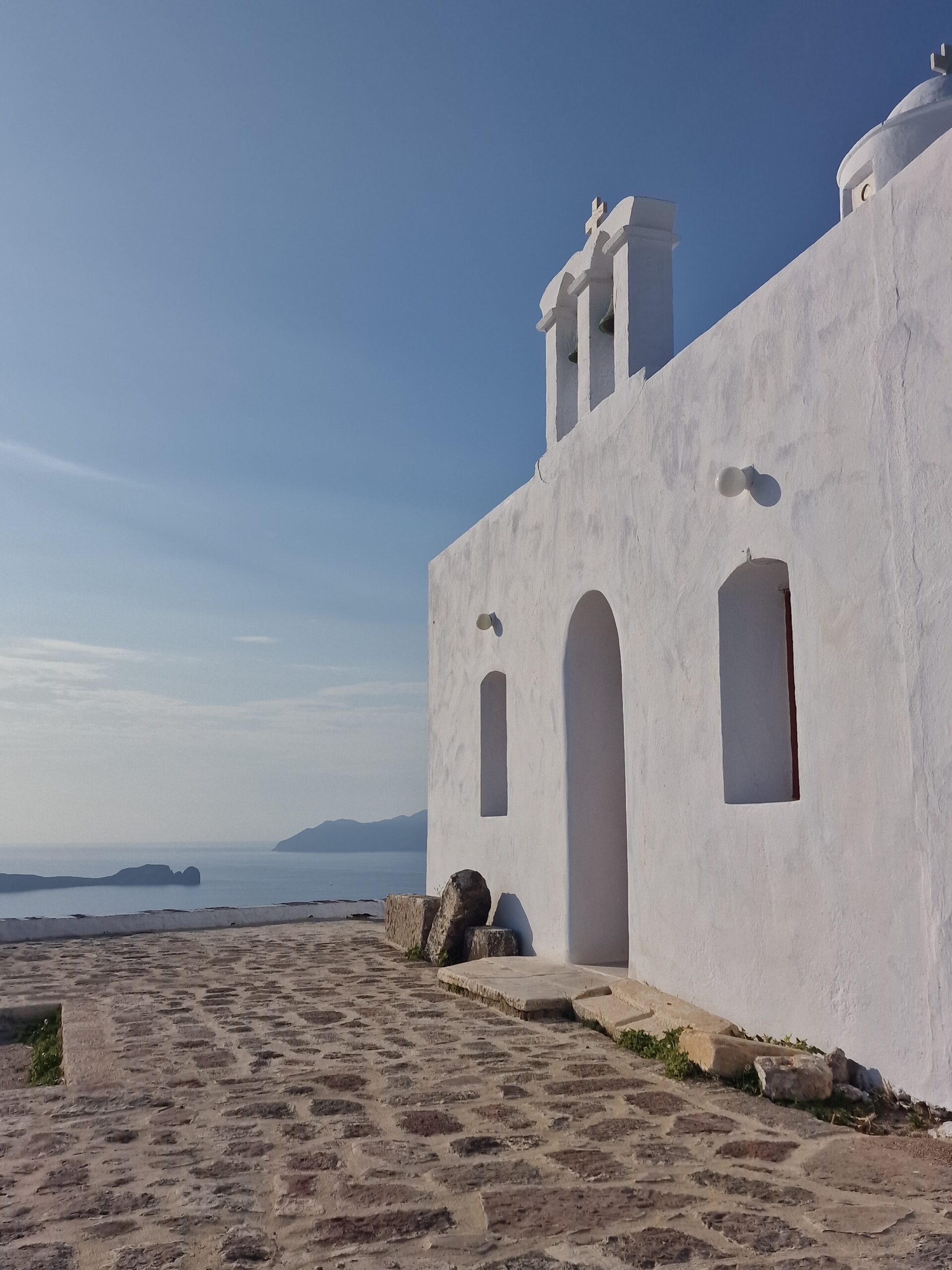
Perched above Plaka, the Venetian Castle was built in the 13th century to protect the island from pirate raids. The walk to its summit rewards visitors with breathtaking views across the Aegean and one of the most memorable sunset experiences on the island.
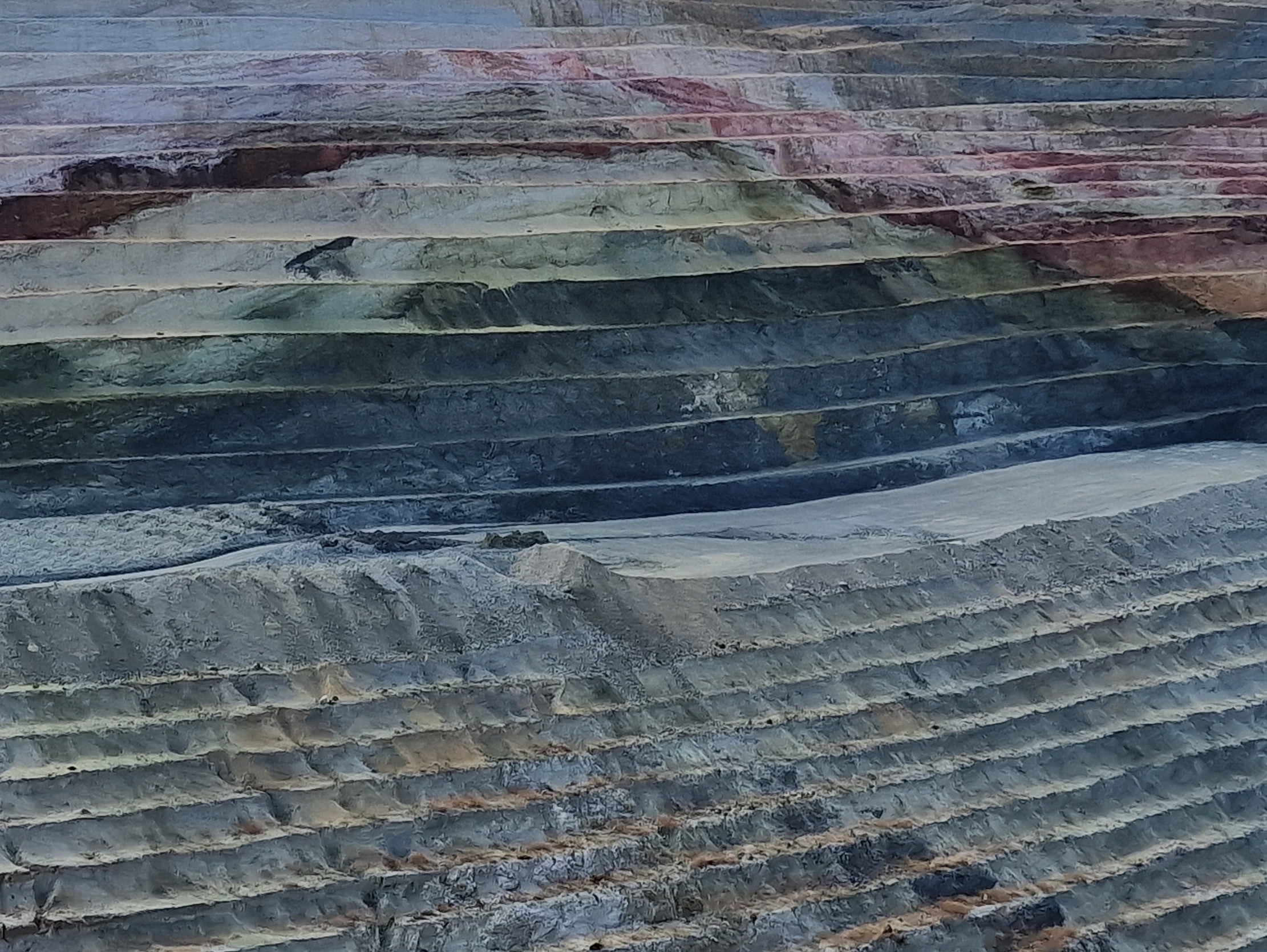
The island's dramatic landscapes owe much to its volcanic origins and mineral wealth. Through interactive exhibits, rare minerals, historical photographs, and mining equipment, the Mining Museum tells the story of a land shaped by obsidian, sulfur, bentonite, and other valuable resources. It offers a fascinating perspective on how geology has influenced both the landscape and the lives of local communities throughout the centuries.
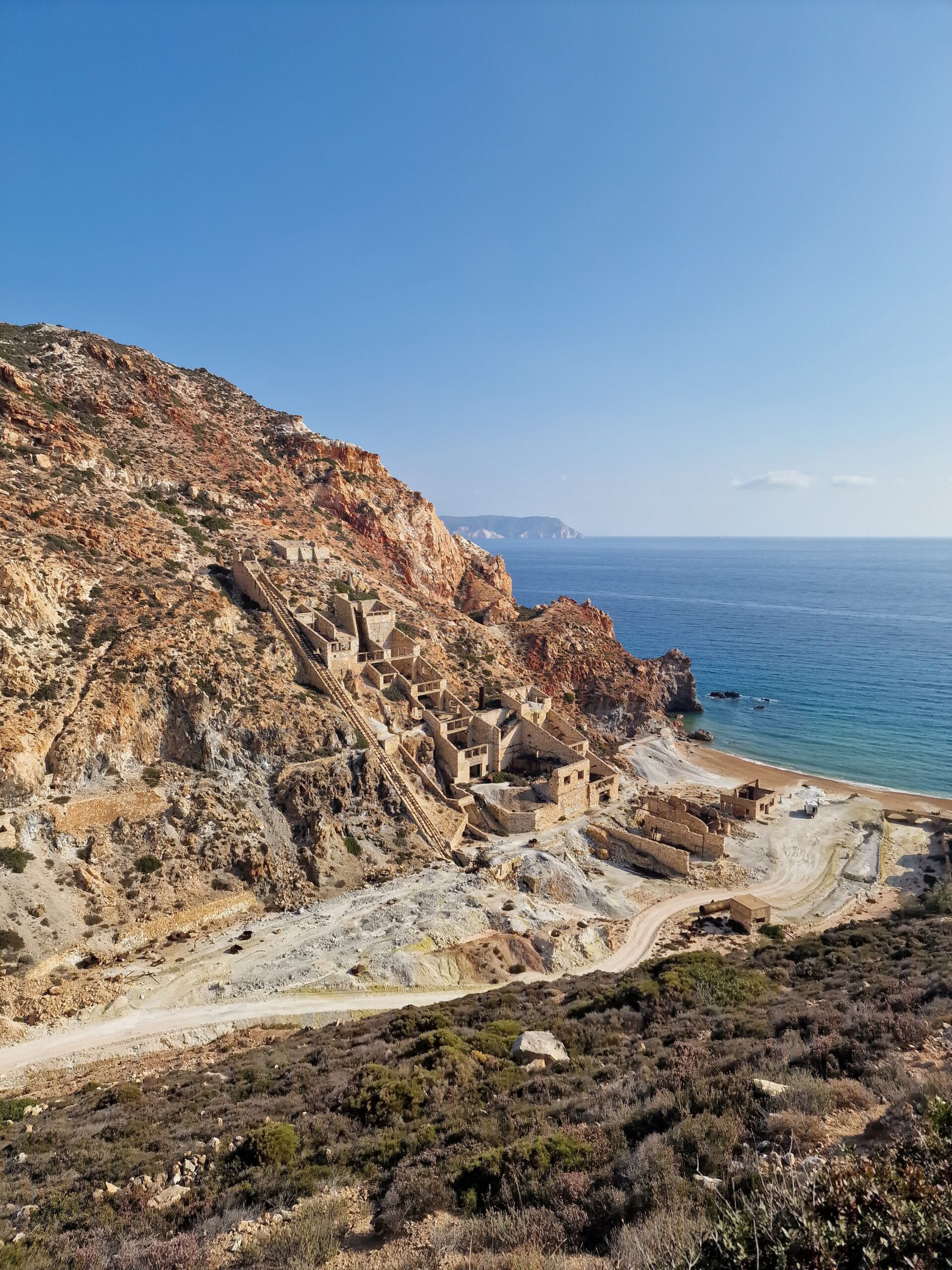
Located on the island's eastern coast, the Sulfur Mines of Paliorema offer a glimpse into an important chapter of Milos' industrial heritage. Abandoned since the mid-20th century, the site preserves remnants of mining facilities, rail tracks, and stone buildings set against a striking coastal landscape. Today, it stands as a reminder of the island's long relationship with its volcanic geology and mineral wealth.
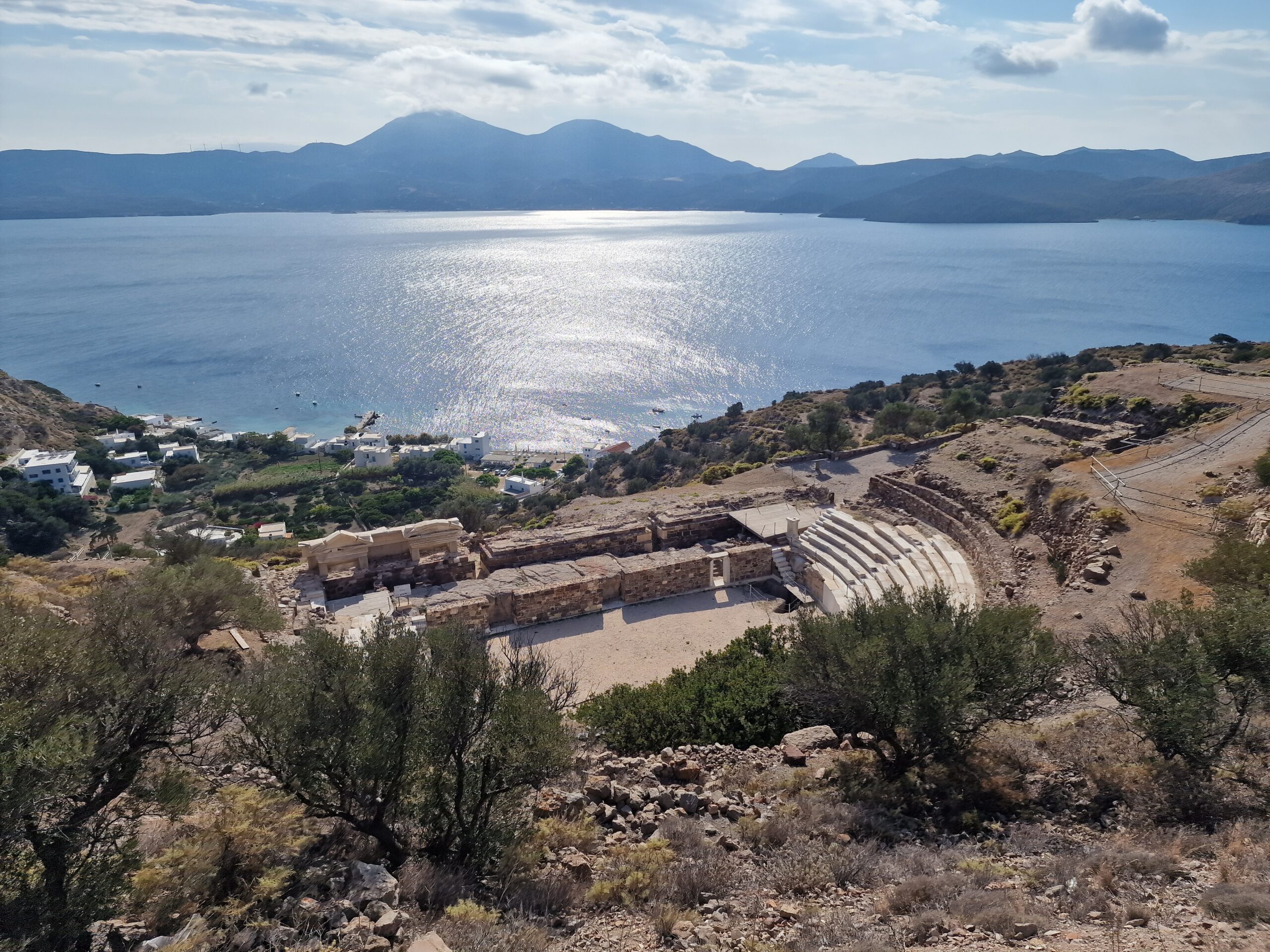
Carved into the hillside above the Aegean, the Ancient Theatre stands as a testament to the island's rich cultural heritage. Its restored marble seating and breathtaking views create a remarkable setting where history and landscape meet. Just a short distance away, you can discover the site where the Venus de Milo was unearthed in 1820 before finding her home in the Louvre Museum. Set against sweeping views of the Aegean, these landmarks reveal a chapter of history that continues to shape the cultural identity of Milos today.
Please note that the hotel is currently in its soft opening phase, and some facilities and services may not yet be operational. Akiton Restaurant & Bar and the spa pool are scheduled to open in spring 2027.